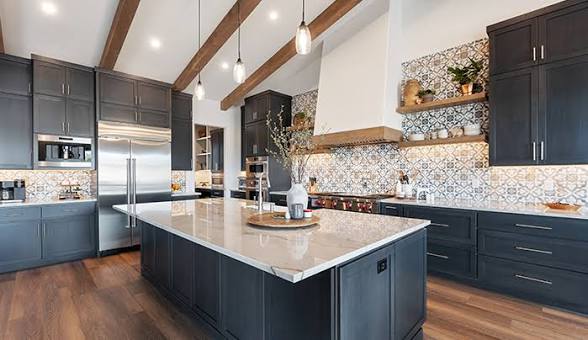
A kitchen should be a space where good design supports everyday activities. From preparing ingredients and cooking meals to washing dishes and storing groceries, the room needs to accommodate several tasks throughout the day. A thoughtful arrangement can make these activities easier while giving the home a comfortable and attractive central space.
When planning a kitchen, it helps to begin with the main areas of activity. The refrigerator, sink, and cooker should be positioned to allow convenient movement between them. There should also be enough countertop space for preparing food and placing hot dishes. Even a small kitchen can feel efficient when its main features are arranged carefully and unnecessary obstacles are removed.
The choice of cabinets can establish the overall character of the room. Natural wood finishes create a warm, traditional appearance, while painted cabinets can introduce a more contemporary style. Handleless doors provide a simple, streamlined look, whereas decorative handles can add detail to classic designs. The cabinet style should complement the rest of the interior rather than compete with it.
Storage deserves as much attention as the external appearance of the cabinets. A well-organized kitchen makes it easier to find cooking equipment and ingredients when they are needed. Deep drawers can hold heavy pots and pans, while narrow pull-out units are useful for bottles, spices, and smaller supplies. Dividers, adjustable shelves, and corner storage accessories can help make better use of available space.
Countertop materials should be selected according to appearance, durability, and maintenance requirements. Quartz is often chosen for its consistent finish, while granite provides natural patterns and variation. Laminate offers a wide selection of colours and can be a practical option for homeowners working with a limited budget. Comparing samples and checking care instructions can help avoid choosing a surface that does not suit everyday use.
The backsplash offers another opportunity to introduce personality. It protects the wall around the sink and cooker from splashes while connecting different design elements. Simple rectangular tiles can create a timeless appearance, while patterned or textured options can provide a distinctive feature. The colour should work with the cabinets and countertops so the overall design remains balanced.
Lighting should be planned for different activities rather than treated as a finishing detail. General ceiling lights provide illumination across the room, while task lighting makes food preparation and cleaning easier. Under-cabinet lights are particularly useful because they brighten work surfaces without taking up space. A decorative pendant above a breakfast counter can add warmth and create a pleasant place to sit.
Appliances should be chosen with the household’s routine in mind. A family that cooks regularly may need a larger oven, a spacious refrigerator, and a dishwasher with suitable capacity. Smaller households may prefer compact appliances that leave additional room for storage. Checking measurements, energy ratings, installation requirements, and warranty information before purchasing can help prevent expensive mistakes.
Ventilation is another important feature of a comfortable kitchen. Cooking produces heat, moisture, and odors, which can linger when airflow is inadequate. An extractor hood can help remove airborne grease and steam, while suitable window ventilation can improve air circulation. Cleaning filters according to the manufacturer’s recommendations helps keep the system working effectively.
The dining area should feel connected to the cooking space while remaining comfortable to use. A small table can provide a convenient place for breakfast, while a kitchen island may offer additional seating in a larger room. Chairs should be easy to move, and enough space should remain around the dining area for people to pass through safely.
Finally, regular organization helps maintain the benefits of a good design. Returning utensils to their usual places, cleaning surfaces after preparing food, and checking pantry supplies can prevent unnecessary clutter. A few decorative details, such as fresh flowers, wooden accessories, or attractive storage containers, can make the room feel more personal.
A kitchen that combines style and function is created through decisions that support everyday living. A practical layout, suitable materials, effective lighting, and accessible storage can improve the room without sacrificing its appearance. When these features work together, the kitchen becomes a welcoming space that remains useful and attractive over time.
Leave a Reply