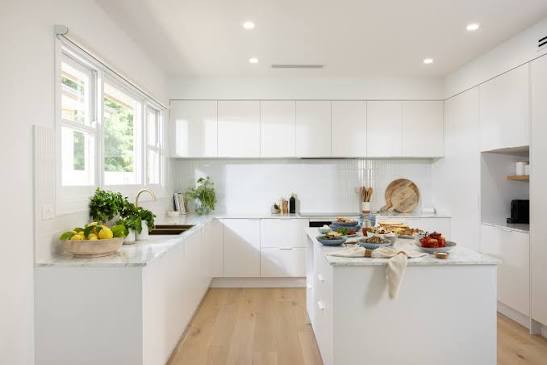
A kitchen can have a major influence on how comfortable and organized a home feels. It is a room that people use throughout the day, whether they are preparing breakfast, making packed lunches, cooking dinner, or enjoying a quiet cup of tea. Creating a pleasant environment does not necessarily mean investing in a complete renovation. With thoughtful planning, practical improvements can make an existing kitchen feel more useful and inviting.
One of the best ways to improve the room is to make better use of its available space. Kitchen counters often become crowded with appliances, food containers, paperwork, and decorative items. Removing anything that does not need to remain there can immediately create a more open appearance. Frequently used equipment can stay accessible, while occasional items can be placed in cupboards or dedicated storage areas.
The condition of the cabinets can also affect the overall look of the kitchen. If the existing units are structurally sound, replacing them may not be necessary. Cleaning the doors, repairing loose hinges, and fitting new handles can provide a noticeable improvement. Repainting suitable cabinet surfaces is another option, provided the material is prepared and treated with products designed for that purpose. These changes can refresh the room without the expense of installing an entirely new kitchen.
The dining area should feel connected to the rest of the room. In a spacious kitchen, a table with comfortable chairs can create a natural gathering place. Smaller kitchens may benefit from a breakfast counter or a compact table that fits against a wall. The important thing is to leave enough space for people to sit, stand, and move around without blocking access to cupboards or appliances.
Natural light can make a kitchen feel brighter and more welcoming. Keeping window areas free from unnecessary objects allows more daylight to enter the room. Lightweight curtains or simple blinds can provide privacy without making the space feel enclosed. Where natural light is limited, a combination of ceiling fixtures and focused task lighting can help create a balanced environment.
Choosing suitable kitchen accessories can improve both organization and appearance. Matching containers are useful for storing dry ingredients such as flour, rice, pasta, and cereals. Drawer organizers prevent utensils from becoming mixed together, while wall-mounted rails can hold frequently used cooking tools. These additions are especially helpful when cupboard space is limited.
The sink and surrounding area should remain easy to clean. A practical draining rack, a small storage organizer, and an accessible cleaning cupboard can help prevent dishes and supplies from spreading across the countertop. The tap should be comfortable to operate, and any signs of leaking should be investigated promptly. Regularly cleaning the sink and checking the plumbing can help maintain a hygienic working area.
Colour can introduce a fresh atmosphere without requiring major changes. Painting one suitable wall, adding colourful kitchen towels, or choosing a new backsplash can create visual interest. Soft greens, warm creams, and muted blues can work well in many interiors, while darker accents may provide contrast. It is generally best to choose a limited palette so that cabinets, flooring, countertops, and accessories feel connected.
Kitchen safety should remain a priority during any improvement project. Cooking equipment should be positioned carefully, electrical appliances should be used according to their instructions, and walkways should remain clear. Smoke alarms should be maintained, and appropriate ventilation should be available when cooking. Children should also have safe access to everyday items without being able to reach dangerous equipment or cleaning products.
Regular maintenance helps preserve the improvements made to the room. Countertops should be cleaned with suitable products, appliance filters should be checked, and cabinet interiors should be reviewed occasionally. Food storage areas benefit from regular checks so that expired ingredients do not take up useful space. These simple habits help prevent clutter and keep the kitchen ready for everyday use.
A kitchen becomes more enjoyable when its design reflects the needs of the people who use it. Better storage, improved lighting, comfortable seating, and well-maintained surfaces can make daily activities easier. By focusing on practical changes and adding personal touches gradually, homeowners can create a kitchen that feels fresh, welcoming, and dependable without making unnecessary alterations.
Leave a Reply