Blog

  • Making Everyday Cooking Easier With a Better Kitchen

    Making Everyday Cooking Easier With a Better Kitchen

    A comfortable kitchen can make daily routines more enjoyable and less stressful. It is where ingredients are prepared, meals are cooked, and household members often spend time together. Whether the room is large or compact, its design should make essential tasks convenient while providing enough space for movement and storage. Small details can have a significant effect on how well the kitchen works.

    One important consideration is the amount of preparation space available. Cooking often involves several ingredients, utensils, and containers at the same time. A clear countertop makes it easier to organize these items and complete different stages of a recipe. Homeowners with limited space can consider extending an existing worktop, adding a movable trolley, or installing a compact preparation surface where the layout allows.

    The position of frequently used appliances can also influence convenience. A kettle, coffee machine, or toaster should be easy to access without taking over the entire counter. Larger appliances need enough clearance for doors, drawers, and ventilation. Measuring the available space before purchasing new equipment can prevent problems during installation and help maintain a balanced layout.

    A well-organized pantry makes meal preparation quicker. Dry ingredients, canned products, snacks, and cooking essentials should be stored in clearly defined areas. Transparent containers can make it easier to identify supplies, while labels help prevent confusion between similar ingredients. Keeping older products near the front encourages their use before newly purchased items and can reduce food waste.

    Cabinet interiors can be improved with simple accessories. Shelf risers create additional storage levels for cups and plates, while drawer dividers keep utensils separated. Pull-out baskets can make items at the back of a cupboard easier to reach. These additions are especially useful in kitchens where replacing the existing cabinets would be too expensive or disruptive.

    Choosing a suitable sink can improve the cleaning process. A deep bowl provides room for washing larger cookware, while a double-bowl design allows different tasks to take place at the same time. The tap should offer comfortable control and enough clearance for filling pots. A pull-out spray attachment can be useful for rinsing vegetables and cleaning the sink itself.

    The wall surfaces around cooking and washing areas should be easy to maintain. A tiled backsplash can protect against splashes while introducing colour and texture. Glass panels provide a smooth surface that can be wiped clean, while other suitable wall finishes may offer a simpler appearance. The selected material should be appropriate for the amount of heat and moisture it will experience.

    Flooring should be comfortable, durable, and suitable for regular cleaning. Kitchens are exposed to water, crumbs, dropped utensils, and constant movement, so the material needs to handle everyday wear. Porcelain tiles offer a hard-wearing option, while quality vinyl can provide a softer feel underfoot. Proper installation is important because uneven surfaces or poorly sealed edges can create maintenance problems.

    Lighting should make it easy to see clearly while preparing food. A central fixture can brighten the room, but additional lights above work surfaces can improve visibility. Under-cabinet lighting is particularly useful for reducing shadows, while softer lighting around a breakfast area can create a relaxed atmosphere. Choosing suitable fixtures also helps the kitchen feel connected to the rest of the home.

    Clean air and good ventilation contribute to a pleasant cooking environment. An extractor hood can remove steam and airborne grease, helping to reduce lingering odors. Filters should be cleaned or replaced as recommended, and windows can provide extra airflow when appropriate. Regular attention to ventilation equipment helps maintain its performance.

    Finally, the kitchen should reflect the people who use it. A favourite colour, comfortable seating, attractive cookware, or a small collection of plants can add personality without making the room feel crowded. Decorative choices should leave enough room for cooking and cleaning, allowing the space to remain practical.

    An efficient kitchen is not necessarily the most expensive one. It is a room where storage is accessible, appliances are positioned sensibly, and surfaces are suitable for everyday use. By making thoughtful improvements and maintaining good organization, homeowners can create a kitchen that supports daily routines and provides a welcoming place to enjoy meals together.
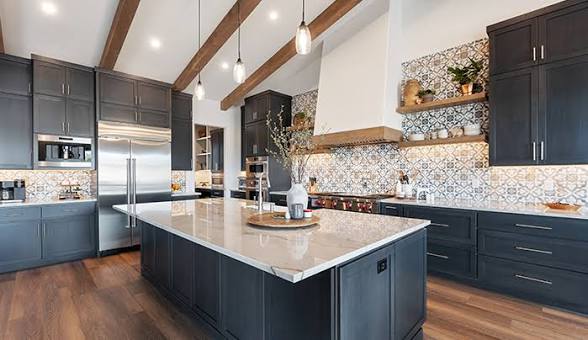
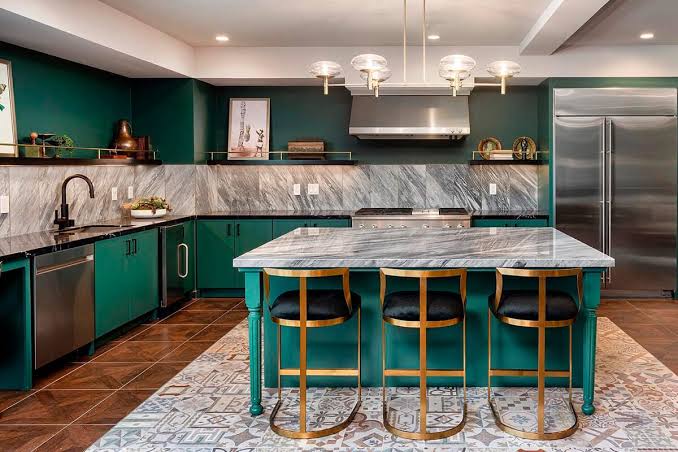
  • Creating a Kitchen That Combines Style and Function

    Creating a Kitchen That Combines Style and Function

    A kitchen should be a space where good design supports everyday activities. From preparing ingredients and cooking meals to washing dishes and storing groceries, the room needs to accommodate several tasks throughout the day. A thoughtful arrangement can make these activities easier while giving the home a comfortable and attractive central space.

    When planning a kitchen, it helps to begin with the main areas of activity. The refrigerator, sink, and cooker should be positioned to allow convenient movement between them. There should also be enough countertop space for preparing food and placing hot dishes. Even a small kitchen can feel efficient when its main features are arranged carefully and unnecessary obstacles are removed.

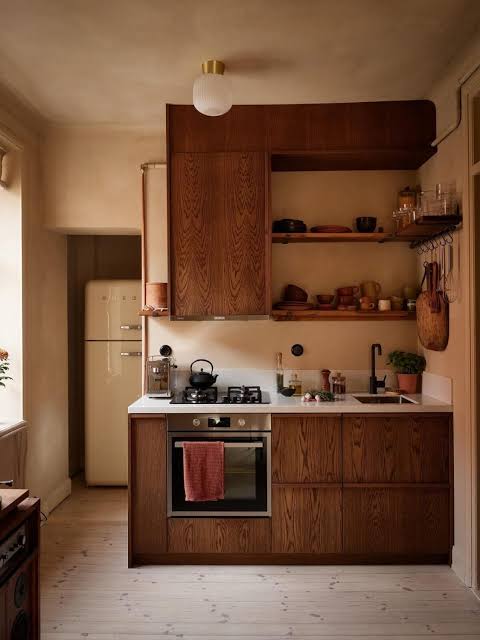
    The choice of cabinets can establish the overall character of the room. Natural wood finishes create a warm, traditional appearance, while painted cabinets can introduce a more contemporary style. Handleless doors provide a simple, streamlined look, whereas decorative handles can add detail to classic designs. The cabinet style should complement the rest of the interior rather than compete with it.

    Storage deserves as much attention as the external appearance of the cabinets. A well-organized kitchen makes it easier to find cooking equipment and ingredients when they are needed. Deep drawers can hold heavy pots and pans, while narrow pull-out units are useful for bottles, spices, and smaller supplies. Dividers, adjustable shelves, and corner storage accessories can help make better use of available space.

    Countertop materials should be selected according to appearance, durability, and maintenance requirements. Quartz is often chosen for its consistent finish, while granite provides natural patterns and variation. Laminate offers a wide selection of colours and can be a practical option for homeowners working with a limited budget. Comparing samples and checking care instructions can help avoid choosing a surface that does not suit everyday use.

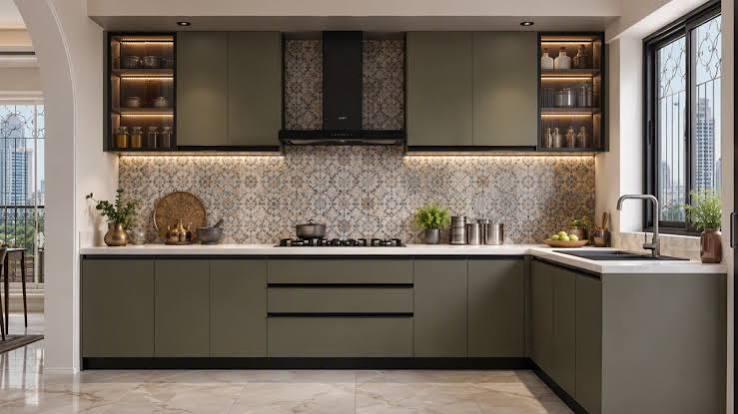
    The backsplash offers another opportunity to introduce personality. It protects the wall around the sink and cooker from splashes while connecting different design elements. Simple rectangular tiles can create a timeless appearance, while patterned or textured options can provide a distinctive feature. The colour should work with the cabinets and countertops so the overall design remains balanced.

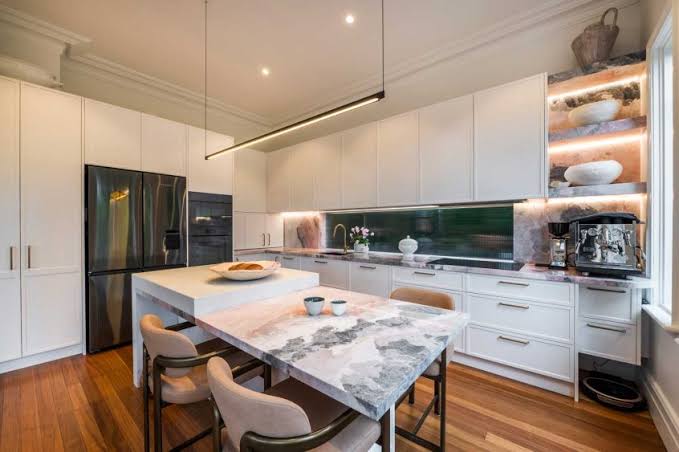
    Lighting should be planned for different activities rather than treated as a finishing detail. General ceiling lights provide illumination across the room, while task lighting makes food preparation and cleaning easier. Under-cabinet lights are particularly useful because they brighten work surfaces without taking up space. A decorative pendant above a breakfast counter can add warmth and create a pleasant place to sit.

    Appliances should be chosen with the household’s routine in mind. A family that cooks regularly may need a larger oven, a spacious refrigerator, and a dishwasher with suitable capacity. Smaller households may prefer compact appliances that leave additional room for storage. Checking measurements, energy ratings, installation requirements, and warranty information before purchasing can help prevent expensive mistakes.

    Ventilation is another important feature of a comfortable kitchen. Cooking produces heat, moisture, and odors, which can linger when airflow is inadequate. An extractor hood can help remove airborne grease and steam, while suitable window ventilation can improve air circulation. Cleaning filters according to the manufacturer’s recommendations helps keep the system working effectively.

    The dining area should feel connected to the cooking space while remaining comfortable to use. A small table can provide a convenient place for breakfast, while a kitchen island may offer additional seating in a larger room. Chairs should be easy to move, and enough space should remain around the dining area for people to pass through safely.

    Finally, regular organization helps maintain the benefits of a good design. Returning utensils to their usual places, cleaning surfaces after preparing food, and checking pantry supplies can prevent unnecessary clutter. A few decorative details, such as fresh flowers, wooden accessories, or attractive storage containers, can make the room feel more personal.

    A kitchen that combines style and function is created through decisions that support everyday living. A practical layout, suitable materials, effective lighting, and accessible storage can improve the room without sacrificing its appearance. When these features work together, the kitchen becomes a welcoming space that remains useful and attractive over time.

  • How to Maintain a Beautiful Kitchen Throughout the Year

    How to Maintain a Beautiful Kitchen Throughout the Year

    A beautiful kitchen requires regular attention and proper care. Daily cooking, food preparation, and cleaning can gradually affect cabinets, appliances, floors, and countertops. Maintaining the kitchen throughout the year helps preserve its appearance and makes everyday activities more comfortable. Simple cleaning habits and occasional improvements can keep the space looking fresh.

    Caring for Kitchen Cabinets

    Kitchen cabinets collect dust, grease, and fingerprints through regular use. Wiping cabinet doors with a suitable cleaning solution helps maintain their original appearance. Spills should be cleaned quickly to prevent stains and damage. It is also useful to check cabinet hinges and handles occasionally to make sure everything remains secure and functional.

    Protecting Countertops and Floors

    Countertops and floors experience frequent use, so they need appropriate maintenance. Food spills should be removed promptly, and suitable cleaning products should be used according to the surface material. Cutting boards can protect countertops from scratches, while mats near sinks can help manage water splashes. Regular sweeping and mopping prevent dirt from accumulating on the floor.

    Maintaining Kitchen Appliances

    Appliances work more efficiently when they receive proper care. Refrigerator shelves should be cleaned regularly, oven surfaces should remain free from heavy grease, and stove burners should be checked for food residue. Filters in exhaust systems may also need periodic cleaning or replacement. Following manufacturer instructions helps prevent damage and supports safe operation.

    Keeping the Kitchen Fresh

    A fresh-smelling kitchen creates a more pleasant cooking environment. Proper ventilation helps remove steam and unwanted odors, while regular waste disposal prevents unpleasant smells. Cleaning the sink and draining area also supports good hygiene. Fresh flowers or small indoor plants can add a natural decorative touch to the room.

    Updating the Kitchen Occasionally

    Small changes can refresh the kitchen without requiring an expensive renovation. New cabinet handles, attractive curtains, updated lighting, or a different backsplash decoration can improve its appearance. Rearranging storage areas may also make the kitchen more practical. Choosing changes gradually allows homeowners to improve the room according to their needs and budget.

    Conclusion

    Maintaining a beautiful kitchen is an ongoing process that depends on cleanliness, careful use, and regular attention. Looking after cabinets, countertops, appliances, and floors helps protect the room from everyday wear. With simple maintenance habits and occasional updates, any kitchen can remain attractive, organized, and comfortable throughout the year.

  • The Benefits of Renovating an Old Kitchen

    The Benefits of Renovating an Old Kitchen

    A kitchen is used every day, so its appearance and condition can gradually change over time. Cabinets may become worn, countertops can lose their shine, and older appliances may no longer work efficiently. Renovating an old kitchen provides an opportunity to improve its appearance, increase convenience, and create a more comfortable cooking environment.

    Updating Cabinets and Countertops

    Cabinets and countertops have a major influence on the overall look of a kitchen. Repainting existing cabinets, replacing outdated handles, or installing new doors can give the room a fresh appearance without requiring a complete replacement. A durable countertop can also improve the working area and make everyday cleaning easier. Choosing materials that suit the household budget helps keep renovation costs manageable.

    Improving Storage Capacity

    Older kitchens sometimes lack suitable storage for modern household needs. Renovation allows homeowners to introduce better cabinet arrangements, additional drawers, and practical shelving. Corner storage units can make unused spaces more useful, while tall cabinets provide extra room for groceries and kitchen equipment. Good storage planning helps maintain an organized environment.

    Installing Better Lighting and Ventilation

    Improved lighting can make an old kitchen feel brighter and more welcoming. Modern ceiling fixtures and under-cabinet lights provide better visibility during cooking. Ventilation improvements are equally valuable because they help remove smoke, steam, and cooking odors. These updates can make the room more comfortable throughout the day.

    Choosing Modern and Efficient Appliances

    Replacing outdated appliances can improve kitchen convenience and energy efficiency. A modern refrigerator, reliable cooking stove, or efficient dishwasher may simplify everyday tasks. Before purchasing new equipment, homeowners should consider available space, household requirements, and electricity consumption. Selecting appliances carefully can provide lasting value.

    Conclusion

    Renovating an old kitchen is an effective way to improve both the appearance and functionality of a home. Updated cabinets, better storage, improved lighting, and suitable appliances can transform an outdated room into a comfortable cooking space. With careful planning and sensible spending, homeowners can create a refreshed kitchen that meets their needs for years to come.

  • Bringing New Life to an Everyday Kitchen

    Bringing New Life to an Everyday Kitchen

    A kitchen can have a major influence on how comfortable and organized a home feels. It is a room that people use throughout the day, whether they are preparing breakfast, making packed lunches, cooking dinner, or enjoying a quiet cup of tea. Creating a pleasant environment does not necessarily mean investing in a complete renovation. With thoughtful planning, practical improvements can make an existing kitchen feel more useful and inviting.

    One of the best ways to improve the room is to make better use of its available space. Kitchen counters often become crowded with appliances, food containers, paperwork, and decorative items. Removing anything that does not need to remain there can immediately create a more open appearance. Frequently used equipment can stay accessible, while occasional items can be placed in cupboards or dedicated storage areas.

    The condition of the cabinets can also affect the overall look of the kitchen. If the existing units are structurally sound, replacing them may not be necessary. Cleaning the doors, repairing loose hinges, and fitting new handles can provide a noticeable improvement. Repainting suitable cabinet surfaces is another option, provided the material is prepared and treated with products designed for that purpose. These changes can refresh the room without the expense of installing an entirely new kitchen.

    The dining area should feel connected to the rest of the room. In a spacious kitchen, a table with comfortable chairs can create a natural gathering place. Smaller kitchens may benefit from a breakfast counter or a compact table that fits against a wall. The important thing is to leave enough space for people to sit, stand, and move around without blocking access to cupboards or appliances.

    Natural light can make a kitchen feel brighter and more welcoming. Keeping window areas free from unnecessary objects allows more daylight to enter the room. Lightweight curtains or simple blinds can provide privacy without making the space feel enclosed. Where natural light is limited, a combination of ceiling fixtures and focused task lighting can help create a balanced environment.

    Choosing suitable kitchen accessories can improve both organization and appearance. Matching containers are useful for storing dry ingredients such as flour, rice, pasta, and cereals. Drawer organizers prevent utensils from becoming mixed together, while wall-mounted rails can hold frequently used cooking tools. These additions are especially helpful when cupboard space is limited.

    The sink and surrounding area should remain easy to clean. A practical draining rack, a small storage organizer, and an accessible cleaning cupboard can help prevent dishes and supplies from spreading across the countertop. The tap should be comfortable to operate, and any signs of leaking should be investigated promptly. Regularly cleaning the sink and checking the plumbing can help maintain a hygienic working area.

    Colour can introduce a fresh atmosphere without requiring major changes. Painting one suitable wall, adding colourful kitchen towels, or choosing a new backsplash can create visual interest. Soft greens, warm creams, and muted blues can work well in many interiors, while darker accents may provide contrast. It is generally best to choose a limited palette so that cabinets, flooring, countertops, and accessories feel connected.

    Kitchen safety should remain a priority during any improvement project. Cooking equipment should be positioned carefully, electrical appliances should be used according to their instructions, and walkways should remain clear. Smoke alarms should be maintained, and appropriate ventilation should be available when cooking. Children should also have safe access to everyday items without being able to reach dangerous equipment or cleaning products.

    Regular maintenance helps preserve the improvements made to the room. Countertops should be cleaned with suitable products, appliance filters should be checked, and cabinet interiors should be reviewed occasionally. Food storage areas benefit from regular checks so that expired ingredients do not take up useful space. These simple habits help prevent clutter and keep the kitchen ready for everyday use.

    A kitchen becomes more enjoyable when its design reflects the needs of the people who use it. Better storage, improved lighting, comfortable seating, and well-maintained surfaces can make daily activities easier. By focusing on practical changes and adding personal touches gradually, homeowners can create a kitchen that feels fresh, welcoming, and dependable without making unnecessary alterations.

  • Designing a Kitchen That Inspires Creativity

    Designing a Kitchen That Inspires Creativity

    A kitchen can be more than a place for preparing everyday meals. It can become a creative space where people experiment with ingredients, discover new recipes, and develop their cooking skills. A comfortable and inspiring environment encourages homeowners to enjoy the process of preparing food and trying different flavors.

    Creating an Inspiring Interior

    The appearance of a kitchen can influence the mood of the people working in it. Attractive colors, beautiful countertops, and well-designed cabinets create a pleasant atmosphere. Natural wood, soft lighting, and decorative tiles can add warmth and character. A balanced interior makes the kitchen feel inviting without sacrificing practicality.

    Organizing Ingredients and Cooking Tools

    Creative cooking becomes easier when ingredients and utensils are properly arranged. Spices, herbs, oils, and commonly used cooking equipment should be stored in accessible places. Clear containers can make ingredients easier to identify while adding a neat appearance to shelves. Organized storage also reduces interruptions during meal preparation.

    Exploring New Cooking Experiences

    A functional kitchen provides opportunities to explore different cooking methods and recipes. Families can experiment with traditional dishes, prepare homemade snacks, or introduce new ingredients into their meals. Having enough preparation space makes these activities more comfortable. Sharing cooking responsibilities can also turn meal preparation into an enjoyable family experience.

    Making Room for Personal Touches

    Personal decorations can give a kitchen a unique identity. Recipe books, framed food illustrations, attractive serving dishes, and small herb plants can make the space feel special. Some homeowners may prefer a traditional appearance, while others enjoy a contemporary style. The most important thing is choosing details that reflect personal taste and remain practical.

    Conclusion

    A creative kitchen combines an inspiring atmosphere with useful features and thoughtful organization. Attractive surroundings, accessible ingredients, and sufficient preparation space can encourage people to explore their cooking interests. By making the kitchen comfortable and personal, homeowners can transform everyday meal preparation into a more enjoyable and rewarding experience.

  • Planning a Kitchen for Comfort and Efficiency

    Planning a Kitchen for Comfort and Efficiency

    A kitchen should make everyday cooking feel natural rather than complicated. It needs enough space for preparing meals, convenient places to store essential items, and surfaces that can handle regular use. While appearance is important, the most successful kitchen designs begin with practical decisions that support the household’s daily routine.

    The first thing to consider is how much room is available. A compact kitchen may need a straightforward layout with carefully positioned cabinets, while a larger room can accommodate additional preparation areas or a dining space. Measuring walls, doorways, windows, and appliance spaces before purchasing anything can prevent installation problems. It also helps homeowners understand which design ideas are realistic.

    Worktop placement deserves particular attention. Preparing meals often involves several activities, including washing vegetables, chopping ingredients, mixing food, and arranging cookware. Having a clear surface close to the sink and cooking area makes these tasks easier. If the available countertop is limited, a pull-out work surface or movable kitchen trolley can provide extra room without requiring major structural changes.

    Cabinets should offer convenient access to both everyday essentials and less frequently used equipment. Deep drawers are useful for storing pots, pans, and larger utensils, while smaller compartments can keep cutlery and kitchen tools organized. Corner storage systems can make awkward spaces more accessible. Adjustable shelves are also valuable because they allow cupboard interiors to change as storage needs develop.

    Choosing durable surfaces can reduce long-term maintenance. Countertops are exposed to heat, moisture, food stains, and frequent cleaning, so their material should suit the level of use. Quartz, granite, laminate, and other engineered surfaces offer different appearances and care requirements. It is sensible to review product specifications and understand how each option should be cleaned before making a final decision.

    Kitchen flooring must also withstand regular activity. Porcelain and ceramic tiles are common choices because they are available in numerous colours and finishes. Vinyl flooring can provide a practical alternative, particularly where a softer surface is preferred. Whatever material is selected, it should be suitable for areas where occasional spills are likely. Proper installation and suitable cleaning products will help preserve its condition.

    Lighting makes a significant difference to both safety and atmosphere. A central ceiling fixture can illuminate the room, but it may not provide enough light directly above preparation areas. Under-cabinet lighting helps brighten countertops, while pendant fixtures can add visual interest above an island or breakfast bar. Using separate lighting arrangements allows the kitchen to feel bright during cooking and more relaxed during meals.

    Appliance placement should make everyday tasks straightforward. The refrigerator needs enough surrounding space for its doors to open properly, while the oven should have a nearby surface where hot dishes can be placed safely. A dishwasher positioned close to the sink can make cleaning up easier. Before buying appliances, homeowners should check their dimensions, ventilation needs, electrical connections, and water supply requirements.

    A good kitchen also needs effective ventilation. Cooking produces heat, steam, and odors that can make the room uncomfortable when they are not properly managed. An extractor hood can help remove airborne grease and moisture, while suitable windows provide additional airflow when conditions allow. Filters should be cleaned regularly to maintain the equipment’s performance.

    Keeping the kitchen organized requires simple habits rather than complicated systems. Food supplies should be grouped together, frequently used utensils should remain accessible, and unused equipment should not occupy valuable work surfaces. Checking cupboards occasionally can reveal items that are no longer needed and create room for essentials. Cleaning as you cook also makes the final kitchen cleanup much easier.

    Decorative details can bring warmth and individuality to the finished space. Natural wood accessories, simple wall art, indoor plants, and comfortable seating can make the kitchen feel more welcoming. These additions should complement the design without interfering with movement or reducing preparation space.

    A comfortable and efficient kitchen comes from understanding how the room will be used and choosing features accordingly. Careful measurements, durable materials, accessible storage, suitable lighting, and reliable appliances can make a lasting difference. With practical planning, homeowners can create a kitchen that looks attractive while supporting the demands of everyday life.

  • Creating an Eco-Friendly Kitchen at Home

    Creating an Eco-Friendly Kitchen at Home

    An eco-friendly kitchen is designed to reduce waste, save energy, and make better use of natural resources. Since cooking and food preparation are part of everyday life, small changes in the kitchen can have a positive impact on the household and the environment. A sustainable kitchen can also be attractive, comfortable, and easy to maintain.

    Saving Water During Daily Activities

    Water is used frequently for washing vegetables, cleaning dishes, and preparing meals. Turning off the tap when it is not needed can help reduce unnecessary water consumption. Installing water-efficient faucets and repairing leaking pipes are also useful ways to conserve water. These simple habits support responsible resource management without making kitchen activities difficult.

    Reducing Food Waste

    Food waste can be reduced through careful meal planning and proper storage. Checking available ingredients before shopping helps prevent unnecessary purchases. Leftover food can often be used in another meal, while suitable vegetable scraps can be composted instead of being thrown away. Keeping the refrigerator organized also makes it easier to notice ingredients before they spoil.

    Choosing Sustainable Materials

    Natural and responsibly sourced materials can contribute to an environmentally conscious kitchen. Wooden accessories, reusable storage containers, and durable countertops can reduce the need for frequent replacements. When renovating, homeowners can consider recycled materials and long-lasting finishes. Choosing quality products that remain useful for many years is often a practical approach.

    Using Energy Efficiently

    Energy-efficient appliances can help reduce electricity use. Switching off lights and equipment when they are not needed is another simple habit. Cooking with suitable cookware and using lids on pots can also improve heat efficiency. Natural daylight can reduce the need for artificial lighting during daytime hours.

    Conclusion

    An eco-friendly kitchen begins with thoughtful everyday decisions. Saving water, reducing food waste, choosing durable materials, and using electricity carefully can make a meaningful difference. These improvements do not require expensive changes or a complete renovation. With consistent habits and practical choices, any household can create a kitchen that is both functional and environmentally responsible.

  • Small Kitchen Improvements That Make a Big Difference

    Small Kitchen Improvements That Make a Big Difference

    Improving a kitchen does not always require removing cabinets, replacing appliances, or completing an expensive renovation. Sometimes, a few carefully chosen changes can make the room more comfortable and easier to use. Better organization, improved lighting, and practical storage can transform the experience of preparing meals while giving the kitchen a refreshed appearance.

    One of the simplest improvements is to reconsider how items are arranged. Kitchen equipment often accumulates over time, leaving cupboards crowded with objects that are rarely used. Taking everything out, sorting it into useful categories, and returning only necessary items can create valuable storage space. Keeping everyday dishes near the dishwasher and cooking utensils close to the stove also makes common tasks more convenient.

    Countertops are another area where small changes can improve the entire room. A crowded surface can make even a spacious kitchen feel untidy. Moving rarely used appliances into cabinets and using a dedicated tray for frequently used items can help maintain a cleaner appearance. Leaving enough open space for food preparation also makes cooking more comfortable.

    Lighting upgrades can provide an immediate improvement. Older ceiling fixtures sometimes leave important work areas poorly illuminated. Adding suitable under-cabinet lights can make it easier to prepare ingredients, read recipes, and clean countertops. Replacing outdated bulbs with energy-efficient options can also improve brightness while reducing electricity use. The lighting should be comfortable rather than excessively harsh, particularly in a kitchen that also serves as a dining area.

    Cabinet handles and drawer pulls may seem like minor details, but replacing worn fittings can give the room a noticeably different appearance. Brushed metal, matte black, and traditional brass finishes offer different decorative styles. Before purchasing replacements, it is important to check the existing hole spacing so that the new fittings can be installed without unnecessary drilling.

    A backsplash can refresh the kitchen while protecting the wall behind the sink and cooking area. Even a relatively small section of decorative tile can introduce colour and texture. Neutral designs are suitable for homeowners who prefer a timeless appearance, while patterned options can create a stronger visual feature. The chosen material should be appropriate for the surrounding area and easy to maintain.

    Storage improvements can make better use of cabinets that are already installed. Adjustable shelf inserts create additional levels for plates and bowls, while drawer dividers keep cooking tools organized. Clear containers can help identify pantry ingredients, and labelled baskets make it easier to group similar supplies. These solutions are particularly useful in smaller kitchens where every available section matters.

    The sink area also deserves regular attention. A practical dish rack, a suitable soap dispenser, and an organized cleaning cupboard can prevent everyday supplies from spreading across the countertop. Checking the tap for leaks and cleaning the drain regularly can help avoid minor plumbing problems. If any plumbing fittings need replacement, choosing suitable components and using a qualified professional when necessary can protect against water damage.

    Fresh colours and simple accessories can make an older kitchen feel more inviting. Painting a suitable wall, adding a small indoor plant, or introducing matching storage jars can create a coordinated look. A kitchen does not need numerous decorative objects to feel attractive. Keeping accessories limited allows the room to remain practical and prevents surfaces from becoming cluttered again.

    Flooring and cabinet surfaces should be cleaned according to their specific material requirements. Harsh cleaning products can damage certain finishes, so manufacturer recommendations should always be followed. Wiping spills promptly, cleaning grease around the cooking area, and checking appliance filters can help maintain the condition of the kitchen.

    The best improvements are often those that solve everyday problems. A better-organized cupboard, brighter preparation area, or more accessible storage system can save time and reduce frustration. By identifying what makes daily kitchen activities difficult and addressing those issues gradually, homeowners can create a cleaner, more comfortable, and more functional space without undertaking a complete renovation.

  • The Beauty of a Modern Kitchen Interior

    The Beauty of a Modern Kitchen Interior

    A modern kitchen is a space where attractive design meets everyday convenience. It provides an organized environment for preparing meals while adding character to the home. Modern interiors often focus on simplicity, comfortable movement, and useful features. With thoughtful planning, even an ordinary kitchen can become a stylish and functional space.

    The Appeal of Simple Designs

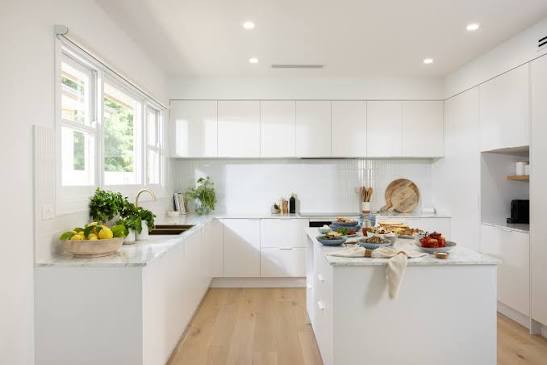
    Simple designs are popular because they create a clean and peaceful appearance. Smooth cabinet doors, uncluttered countertops, and coordinated finishes help the kitchen look organized. Neutral colors such as white, gray, and cream can make the room feel brighter, while darker accents add contrast and depth. Choosing a consistent design theme helps different elements work together.

    The Importance of Quality Cabinets

    Kitchen cabinets influence both storage capacity and overall appearance. Well-made cabinets provide space for dishes, cookware, groceries, and small appliances. Modern cabinet designs often include soft-close drawers, hidden handles, and adjustable shelves. Selecting durable materials and finishes can help cabinets remain attractive despite regular use.

    Creating an Attractive Backsplash

    A backsplash protects the wall behind cooking and washing areas from splashes and stains. It can also become an important decorative feature. Ceramic tiles, glass panels, and natural stone are popular choices because they offer different colors and textures. A carefully selected backsplash can add personality without overwhelming the rest of the interior.

    Adding Functional Decorative Details

    Decorative features can make a modern kitchen feel more personal. Pendant lights, elegant handles, simple wall clocks, and small indoor plants can improve its appearance. Open shelves provide an opportunity to display attractive dishes and containers, while useful accessories can keep everyday items organized. Decorations should complement the room rather than reduce available working space.

    Conclusion

    A modern kitchen interior should provide a balance between visual appeal and practical use. Simple designs, quality cabinets, attractive backsplashes, and thoughtful decorations can create a comfortable atmosphere. By paying attention to both appearance and functionality, homeowners can enjoy a kitchen that supports daily activities while enhancing the beauty of their home.